Comparing Biometric Time Clocks vs Traditional Systems
Comparing Biometric Time Clocks vs Traditional Systems - TimeCards.uk Comparing Biometric Time Clocks vs Traditional Systems This buying...
See Our Top PicksComparing Biometric Time Clocks vs Traditional Systems
This buying guide explores the key differences between biometric time clocks and traditional timekeeping systems. As businesses increasingly seek efficient and reliable methods for tracking employee attendance, understanding the advantages and disadvantages of each system is crucial. Biometric time clocks, which utilize fingerprint or facial recognition technology, offer enhanced security and accuracy, while traditional systems may rely on manual entries or punch cards that can be prone to errors and time theft.
This guide is designed for business owners and HR professionals who are considering upgrading their timekeeping methods. You will learn about the price ranges associated with biometric and traditional systems, along with essential features to consider such as ease of use, integration capabilities, and the level of security offered. By the end, you will have a clearer understanding of which system aligns best with your operational needs.
Our Top Picks
Quick Comparison
| Product | Best For | Key Benefit | Price | |
|---|---|---|---|---|
 Reiner SCT ESD timeCard AU 250Mitarbeiterlizenzen
|
Best Overall | Top-rated quality and performance | £2,334.99 | Check Price |
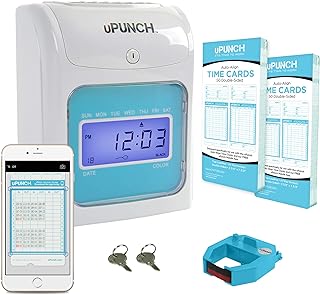 uPunch Time Clock with Free Punch to Pay Mobile Ap
|
Best Budget | Great value without compromise | £290.88 | Check Price |
 KOKORACKER Overhead Garage Storage Rack, 4x4 Ft Ga
|
Best Premium | Premium quality for those who want the best | £1,062.00 | Check Price |
 The 2023 Report on Employee Scheduling Software: W
|
Great All-Rounder | Solid choice across the board | £795.00 | Check Price |
 The 2023-2028 World Outlook for Employee Schedulin
|
Worth a Look | Strong contender worth considering | £795.00 | Check Price |
Detailed Recommendations
Popular choice — trusted by our visitors
Best Overall: Top-rated quality and performance. A strong contender if you're looking for the best overall comparing biometric time clocks vs traditional systems.
View Product
Popular choice — trusted by our visitors
Best Budget: Great value without compromise. A strong contender if you're looking for the best budget comparing biometric time clocks vs traditional systems.
View Product
Built-in storage keeps things tidy
Best Premium: Premium quality for those who want the best. A strong contender if you're looking for the best premium comparing biometric time clocks vs traditional systems.
View Product
Popular choice — trusted by our visitors
Great All-Rounder: Solid choice across the board. A strong contender if you're looking for the great all-rounder comparing biometric time clocks vs traditional systems.
View Product
Popular choice — trusted by our visitors
Worth a Look: Strong contender worth considering. A strong contender if you're looking for the worth a look comparing biometric time clocks vs traditional systems.
View ProductBuying Advice
Evaluate Your Needs
Before making a decision, assess the specific timekeeping requirements of your business. Consider factors such as the number of employees, frequency of absences, and the complexity of your payroll process. This will help you determine if a biometric time clock or a traditional system is more suitable.
Measure Accuracy
Accuracy is paramount in timekeeping. Biometric systems significantly reduce time theft and buddy punching, while traditional systems can suffer from human error. Look for systems that provide detailed reporting features to help you monitor attendance accurately.
Consider Setup and Maintenance
Assess the initial setup requirements and ongoing maintenance for both systems. Biometric time clocks often require software updates and hardware maintenance, while traditional systems may need regular stock of time cards or manual upkeep. Choose a system that fits your operational capabilities.
Prioritize Security
Security is a critical factor in employee time tracking. Biometric systems provide a higher level of security through unique identification methods. Evaluate how each system protects personal data and prevents unauthorized access to ensure compliance with data protection regulations.
Assess Cost-Effectiveness
Consider the overall cost of ownership for both systems. While biometric time clocks may have a higher upfront cost, the potential savings from reduced time theft and payroll errors can make them more cost-effective in the long run. Compare the total cost of ownership for each option.
Look for Integration Options
Ensure that the timekeeping system you choose can integrate with your existing payroll and HR software. This will streamline processes and reduce the likelihood of errors during data transfer, making it easier to manage employee attendance and payroll.