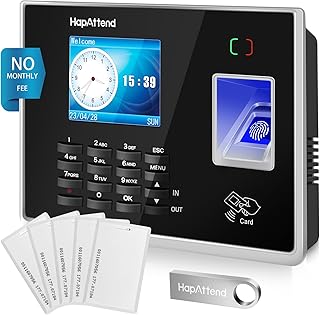
Navigating the Must Haves in Timecards for Success in 2026
As we approach 2026, the landscape of workforce management continues to evolve, and with it, the importance of effective timecard systems cannot be overstated. Businesses are increasingly recognising the value of accurate time tracking not only for compliance but also for enhancing productivity and employee satisfaction. In this article, we delve into the essential features that timecard systems must incorporate to ensure success in the coming year.
Integration with Payroll Systems
One of the fundamental components of any effective timecard system is its ability to seamlessly integrate with payroll software. This integration eliminates the need for manual data entry, thereby reducing errors and saving valuable time. In 2026, companies will be expected to have real-time access to payroll data, which aids in making informed financial decisions. A well-integrated system ensures that employees are paid accurately and on time, fostering a culture of trust and reliability.
User-Friendly Interface
The complexity of a timecard system can often deter employees from using it effectively. Therefore, a user-friendly interface is paramount. In 2026, timecard systems should provide an intuitive design that allows employees to clock in and out with minimal effort. Features such as mobile accessibility will enhance usability, catering to the needs of a more remote and flexible workforce. An uncomplicated interface encourages employees to engage with the system, ensuring accurate time tracking.
People Also Look For:
- Otuuz 16 Sets Employee Appreciation Thank You Card with Keyring Envelopes Rainbow Patterns Inspirational Leaving Gifts for Colleag...
- Rimobul Mini Paper Craft Punch - Set of 20 (Random Cutting Shape)
- 20 Pcs Thank You Gifts, Employee Appreciation Coasters Gifts, Inspirational Personalised Absorbent Coasters with Fiber Cork Base f...
- Body Wave Bundles Human Hair Bundles 12A Grade 100% Unprocessed Brazilian Virgin Hair Bundles Body Weave Wavy Bundles Deals Quick ...
- NUOBESTY Monthly Time Clock Cards Timecards Attendance Payroll Recorders for Company Staff Factory Office 200 Sheets
Advanced Reporting Features
In the age of data-driven decision making, the ability to generate detailed reports is a must-have for any timecard system. Advanced reporting features should enable managers to analyse employee hours, overtime, and productivity trends. This information is critical for identifying areas of improvement and ensuring that resources are allocated efficiently. By 2026, organisations will need to leverage these insights to not only optimise workforce management but also to drive strategic business outcomes.
Compliance and Regulatory Adherence
As regulations surrounding labour laws become increasingly stringent, compliance features within timecard systems will be essential. In 2026, organisations must ensure that their timecard solutions are equipped to handle various legal requirements, including maximum working hours and mandatory breaks. The system should automatically flag any discrepancies, thereby reducing the risk of non-compliance and potential fines. Ensuring compliance will not only protect the organisation but also promote a fair workplace for all employees.
Customisation Options
Every business is unique, and as such, the ability to customise timecard systems is vital. In 2026, organisations will require timecards that can be tailored to meet their specific needs, including unique reporting structures and departmental requirements. Customisation options allow businesses to adapt the timecard system to their operational workflow, ensuring that the solution aligns with their organisational goals and enhances overall efficiency.
AI and Automation
The role of artificial intelligence and automation in timecard systems is set to expand significantly by 2026. These technologies can streamline processes such as time entry and approvals, thereby minimising administrative burdens on HR departments. AI can also provide predictive analytics, helping organisations anticipate trends in employee attendance and productivity. Embracing these advancements will position companies at the forefront of workforce management innovation.
Enhanced Security Features
With the rise in cyber threats, ensuring the security of employee data is crucial. Timecard systems in 2026 should incorporate advanced security measures, including encryption and multi-factor authentication, to protect sensitive information. As businesses collect more employee data, the importance of safeguarding this information cannot be overstated. A secure timecard system not only protects the organisation from potential breaches but also builds employee confidence in the system.