Unveiling the Leading Timecards to Enhance Workflow in 2026
As we advance into 2026, the importance of efficient time management continues to resonate across various industries. The right timecard system can significantly enhance workflow, ensuring that businesses operate smoothly and employees remain productive. This article delves into the leading timecards set to revolutionise the way we track and manage time, ultimately improving organisational efficiency.
The Evolution of Timecards
Timecards have come a long way from their traditional paper-based origins. In the past, employees would manually fill out their hours, often leading to discrepancies and misunderstandings. However, with the advent of technology, timecards have evolved into sophisticated digital solutions that offer real-time tracking, integration with payroll systems, and analytical insights. In 2026, we see a further evolution with innovative features that cater to the modern workforce.
Top Timecard Solutions for 2026
Several timecard solutions stand out in 2026 for their unique features and capabilities. Each offers distinct advantages that cater to different organisational needs.
1. TimeTrack Pro
TimeTrack Pro is designed for businesses that require a comprehensive tracking system. With its user-friendly interface, employees can clock in and out seamlessly. One of its standout features is the ability to integrate with project management tools, allowing managers to allocate hours to specific tasks. This integration not only aids in accurate billing but also provides valuable insights into project efficiency.
People Also Look For:
- Daily Time Sheet Log Book |: Timesheet Log Book To Record Time | Daily Time Sheets for Employees | Work Time Cards | Time Tracker ...
- Time sheet log book: 6 x 9 inch Daily timesheet log book to record time for employees, Work hours logbook, In And Out Sheet, Time ...
- Dzmuero Bill Ticket Holder Ticket Holder for Orders Grabber Ticket Hanging Rack for Hold Orders, Tabs or Papers 1 Pcs(30cm with Sc...
- uPunch CR1000 Digital Time Clock and Date Stamp for Small Business: Complete Employee Time Tracking System with 50 Time Cards, Rib...
- Time Cards Weekly Employee Time Sheet Weekly Thermal Print Time Cards for Time Clock Attendance Recorder 100 Sheets
2. FlexiTime
FlexiTime caters to companies with a flexible work environment. This timecard solution allows employees to log their hours on various devices, whether in the office, at home, or on the go. With its mobile application, workers can track their time effortlessly. FlexiTime also offers real-time analytics, enabling managers to assess workforce productivity and make informed decisions regarding resource allocation.
3. SmartClock
SmartClock is a cutting-edge timecard solution that leverages artificial intelligence to optimise time management. Its predictive features analyse historical data to forecast busy periods, allowing managers to anticipate staffing needs. Additionally, SmartClock uses machine learning algorithms to identify patterns in employee attendance, helping to reduce absenteeism and improve overall workforce reliability.
4. TimeGuard
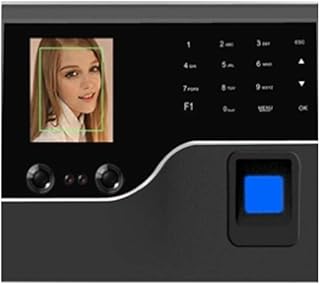
TimeGuard focuses on security and compliance, making it an ideal choice for industries that require stringent regulations. This timecard solution offers biometric authentication, ensuring that only authorised personnel can clock in and out. Furthermore, TimeGuard provides comprehensive reporting features that assist in maintaining compliance with labour laws and regulations, making it a trusted partner for businesses in regulated sectors.
5. WorkWise
WorkWise is tailored for remote teams, offering a robust platform for time tracking and collaboration. Its unique feature allows teams to log hours by project, making it easy to see how much time is spent on different tasks. WorkWise also includes communication tools, enabling team members to discuss projects and share updates in real time, fostering a collaborative environment.
Integrating Timecards with Payroll Systems
In 2026, many businesses are recognising the importance of integrating timecards with payroll systems. This integration streamlines the payroll process, reducing the risk of errors and ensuring that employees are paid accurately and on time. Timecards that offer seamless integration can save significant administrative hours, allowing HR departments to focus on strategic initiatives rather than manual data entry.
The Importance of User-Friendly Interfaces
As organisations continue to embrace digital solutions, the importance of user-friendly interfaces cannot be overstated. In 2026, timecards that prioritise ease of use will see greater adoption rates. Employees are more likely to engage with a system that is intuitive and straightforward, leading to more accurate time tracking and improved compliance with organisational policies. A simple design can significantly enhance user experience and adoption across the workforce.
Future Trends in Timecard Technology
Looking ahead, we anticipate several trends in timecard technology. Enhanced mobile functionality is expected to become a standard feature, catering to the growing remote workforce. Additionally, the integration of biometric technology is likely to increase, providing a secure and efficient way to manage time tracking. As artificial intelligence continues to evolve, we may also see more advanced analytics capabilities that offer predictive insights into workforce management.